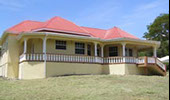
The magazine is the most trusted source for building services in Grenada and a must for all potential homeowners to assist them in building better and safer homes. Our experienced editorial team have worked for many years in the construction sector.


www.buildgrenada.com
Rodney Hall Construction
Cost per Sq ft
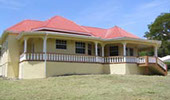
Has built a solid reputation for quality construction and affordable pricing
Residential & commercial, interior finishes, general construction...More
Debron & Associates
Cost per Sq ft
Offering a unique range of professional services from minor refurbishments to turnkey commercial & residential building, general building contractor, restoration, interior finishes...More
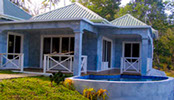
Foundation: Strip
3 bed, 2 bath
1800 sq ft
Cost: $85 - $95


The Builder's Guide
The magazine is the most trusted source for building services in Grenada and a must for all potential homeowners to assist them in building better and safer homes. Our experienced editorial team have worked for many years in the construction sector.
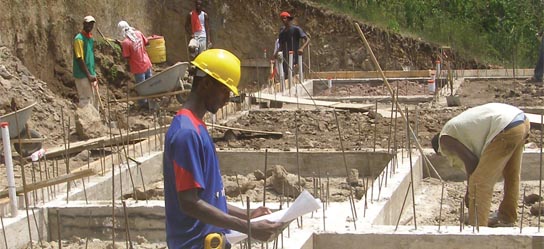
To find the average price for these houses click on cost per sq ft. The buildings give approx. sizes and price in USD. For a detailed estimate, please click on the house to contact the builder or click here.
The true direct cost of constructing a home is determined by several factors. Long before you are able to consider the actual cost of the particular house that you want to build you will need to know the approximate price of the sort of home that you have in mind. This is essential to enable you to know the size of property you can afford. In any form of building work the labour content will form a substantial portion of the total sum (usually 40% of the tender figure.) The cost per sq foot for home construction is much the same in the Caribbean providing that the structure have simply foundations and not a complex design.
In one form or another, what is the cost to build a home in the Caribbean? This question is one of the most frequent requests we receive from our readers of the Builders Guide home magazine. Unfortunately, it is also one of the few questions that we simply cannot answer very specifically. Can you tell me how much it costs to take a vacation or buy books to send my kids to college? How much should I expect to spend on a new kitchen? What is the "average cost" of a design and built a four bedroom 3 bath luxury villa on a hill slope by the beach or a small low income 3 bedroom family home?
All of the above questions contain so many variables that it is impossible for anyone to answer them accurately without first asking several additional questions and gathering much more information. The same is true when calculating the cost to build a new house. Let's begin by considering what square foot construction costs really are, nothing more than the total cost of a given project divided by the total number of square feet in that project.
So, a 2,000 square foot building with construction costs of $250,000 would be $125 per square foot to build. Spend another $20,000 on a gourmet kitchen, an elegant master bath, marble floor tiles in the lounge, a fancy curved staircase or any other combination of "above average" features or finishes and that same 2,000 square foot house would now cost $135 per square foot to construct; an increase of 8% of the original estimate. Now consider the structure itself, if the residence in question is a single story house, with all of the finished area on one floor. The roof will have to be big enough to cover the entire 2,000 feet of living space. Turn that single level into a two story house and the roof size is instantly reduced by 50% because the second floor system became the roof for half of the area on the first floor.
Increase the roof pitch from 3/12 to 12/12 and the roof area (including framing and sheathing) quickly increases by 35%. Of course, these examples are oversimplified because they don't consider any other differences like the need to add the price of staircase and take away the space they occupy, or in the case of a slab foundation, the difference between the costs of a concrete slab versus a wooden floor plan, but hopefully the point has been made.
The costs of similarly sized buildings can also vary considerably due to the shape of the building, the number of corners or offsets in the design plans, the type of foundation and required local footing depth, the pitch of the roof, and many other design characteristics that are not directly related to the size of the building meet with building contractors that have constructed houses that are similar in size, quality of finishes and feature to the home you want. Builders will tell you how much per square foot they usually charge for construction, they can also give you a ballpark idea of what your house might cost, however it is important to know exactly what is included in the price. If you ask, most building contractors will provide you with a list showing the materials and price of each item they will use during construction.
The most expensive areas in a house are usually the kitchen and bathrooms, the number of windows, the size and quality of fixtures and fittings can also affect the price. The cost per square foot is often higher for a small family house than that of a large manion. When building a luxury residence, the cost of expensive items (such as the bathroom or kitchen) is spread over more square footage, consequently, a large house may have a lower square foot cost than a small home, also it usually costs less to build a two-level house when compared to a single story home with the same square footage. This is because a two-story house will have a lower roof and foundation cost. Plumbing and ventilation are more compact in two-story houses, small details in the design of your home can make a difference in the price.
To reduce costs, begin by estimating construction expenses before you select your final design plans. When building a home it's best to work with even numbers, have your house size rounded up or down to increments of two feet. This reduces waste materials; also it's the most economical way to build a house which is no deeper than 32 feet. If the depth exceeds 32 feet then your roof trusses may need to be specially made can be more expensive, houses that have rectangular or box shapes designs cost less to build, those with more angles and corners in the shape of the building can increase the amount of labour and materials needed in construction.
Site preparation can have an impact on the cost to build a house, building on a flat plot of land will usually cost less than on a hill or slope, if you have to excavate and dispose of lots of dirt, or blast through large rocks, then site preparations can become expensive. Cost overruns usually happens when the final cost of the house is more than the original agreed price, over spending the allowances, making changes and encountering unforeseen problems. Proper planning can greatly reduce cost overruns; in general it is a good idea to allow an additional 10% in your budget to cover unexpected price increases.
Kenroy Modeste Construction
Cost per Sq ft
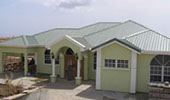
Quality craftmanship with exceptional value for money. Residential & commercial building, renovations, extensions...More
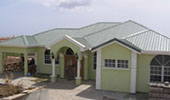
Foundation: Pile
4 bed, 3 bath
2000 sq ft
Cost: $110 - $120
F & F Construction
Cost per Sq ft

Delivering projects both on time and within budget. General Construction Renovations, and Kitchen Maker....More
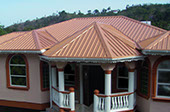
Foundation: Pile
3 bed, 2 bath
1800 sq ft
Cost: $95 -$110
Best Quote Construction
Cost per Sq ft
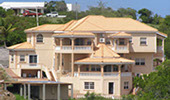
Commercial And Residential building contractors offering turnkey solution for high end to medium owners...More
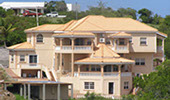
Foundation: Pile
5 bed, 5 bath, porches
3000 sq ft
Cost: $140 - $150
Lap Building Contractors
Cost per Sq ft
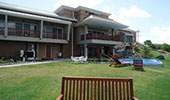
We offer our clients high quality workmanship with exceptional value for money. From turn-key residential homes to small home improvements including commercial...More
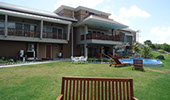
Foundation: Strip
4 bed, 3 bath
2500 sq ft
Cost: $130 - $140 per sq ft
Ambrose Construction
Cost per Sq ft
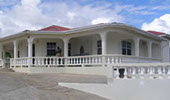
Experienced residential builder with a complimentary mix of house styles and sizes...More
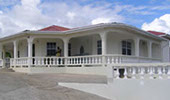
Foundation: Strip
3 bed, 2 bath
2000 sq ft
Cost: $100 - $120 per sq ft
Adrian Gabriel Construction
Cost per Sq ft
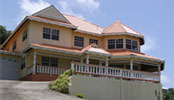
Specialises in General Construction, kitchen & bathroom renovations roofing, porches ...More
Foundation: Strip
4 bed, 2 bath, garage
2000 sq ft
Cost: $110 - $120 per sq ft
Navigate
© Buildgrenada.com All rights reserved.
Site by











